Teaching kids about coronavirus

Although my son has loved all the time he’s been spending with my husband and I since March 13th, when our city closed schools and daycares, I know he’s also confused about what’s going on.

The hardest thing for him, I think, was that we had to celebrate his 4th birthday party in quarantine. I warned him that his friends weren’t going to be able to come because of the virus and he seemed to understand and seemed a bit disappointed but overall I thought he was OK with it. We baked a cake, a rainbow funfetti cake, at his request. I wrapped up all his presents and then some– I wanted him to have an enormous pile of presents so I even wrapped up things like boxes of Teddy Grahams! We put hats on his stuffed animals and sat them around the table, blew up balloons.

But after the presents, he didn’t seem to want to start on the cake. I asked him, “Honey, don’t you want to eat your special rainbow cake and blow out your candles and make a wish?”

He looked at me and started crying, “I guess my friends really aren’t coming? Not even for cake?!?”

I hugged him and said, “No, sweetie, they can’t because of the virus but when the virus is over, we’ll have a giant party for everyone!”

“I just thought they would come for my birthday,” his chin wobbled.

“Well… maybe that means that you get two slices of cake?” I answered.

I’ve done my best to keep his spirits up, but there are moments, and it’s hard to explain what’s going on to little kids.

I’ve found a couple of resources, though, that help, starring some of my son’s favorite characters.

Elmo from Sesame Street practiced social distancing. And both Elmo and Big Bird also made talk show appearances! Sesame Street has a number of other suggestions and ideas of how we can care for each other during this difficult time. Honestly, even as an adult, I find Sesame Street a happy oasis right now and I think it’s great how the show is helping families with young children cope.

Another one of my son’s favorite characters, Daniel Tiger, has helpful songs about resting when sick, and shows how to wash hands.

For older kids, Axel Scheffler, author of the beloved Gruffalo, published a free e-book for kids on COVID -19.

Another show my son loves is Cocomong. It’s a show out of South Korea, available on Netflix, and a bit strange, but overall I think the messaging seems to be really helping my son. The show teaches kids to eat well, get enough rest, brush their teeth, wash hands, and exercise– basically, some light-hearted social engineering that’s been helping my son to eat his vegetables and learn what probiotics are. The hero, Cocomong, fights the Virus King in almost every episode. The Virus King and his sidekicks do things like lure the characters into eating candy instead of vegetables, pollute the air or water, and just generally trick everyone into bad habits which they only realize once they all start to become sick or unhealthy.

We’ve therefore personified COVID-19 as the Virus King in our house– pretty appropriate for a deadly coronavirus*, right?

By far the hardest thing has been trying to help my son understand that you can’t see the virus, that it’s so small it’s invisible– yet something tiny can hurt us badly, and that’s why our lives have all changed so much.

Have you found any other resources that have helped the kids or families in your lives?


*’Corona’ means crown. 

So, you want lockdown to be over, America? These are the four things we need (#4/4)

We need antibody testing that can tell us who has been infected with COVID-19.

Due to America’s COVID-19 testing failure, no one knows how many of us have been infected with coronavirus. In my post on herd immunity, I described one reason why this is important. In that post, I wrote that the devastation that COVID-19 has wrecked upon NYC. At that time, only 1.4% of the population of NYC was confirmed infected.

Antibody tests now reveal that about 20% of NYC residents may have been infected with COVID-19*. That’s pretty astounding and shows just how inadequate our testing has been.

There are caveats to the sampling methods used in these studies that may have led to an overestimation of infection, which Governor Cuomo, to his credit, spoke about. There are also questions about the accuracy of the tests (this article has some great graphics and info). Cities around the world are rolling out antibody tests, though not quickly enough to meet demand.

Let’s say you manage to get one of these antibody tests, and it turns out you have antibodies against COVID-19. Does this mean that you’re immune to future infections? Unfortunately, we don’t know yet, and this is why the WHO recommends against using immunity passports.

Why, then, do I think antibody testing** is so important, even though I agree that issuing immunity passports is a premature idea?

Because we need to know our enemy. 

We don’t know the fatality rate of COVID-19, we don’t know how many asymptomatic cases there are, and, most importantly, we don’t understand whether we can become immune to it after infection, or how long that immunity lasts. Antibody tests can give us the answers to these questions, which are critical to regaining a functional society.

*This is still nowhere near enough to confer herd immunity to COVID-19. NYC would have to go through the hell of the last two months 3 to 4 fold over again, at least, before the city’s population would reach that point. 

So, you want lockdown to be over, America? These are the four things we need (#3/4)

We need to know if there any effective treatments for COVID-19

Because we lack testing and our healthcare system is overwhelmed, Americans with suspected COVID-19 are being told to self-treat at home rather than seek care. They are being instructed to take Tylenol for fever, drink plenty of Gatorade to stay hydrated and otherwise not leave their homes. No care packages are provided. Nothing other than palliative medications are typically being prescribed.

Although home is certainly more comfortable than a hospital, one downside of instructing sick Americans to self-care means that the American medical establishment can’t test anti-viral medications, supplements, or other medications on anyone in the beginning stages of the disease, and also can’t figure out how to improve treatment for cases who are not admitted to the hospital, many of whom still become very ill at home.

It means we can’t ask questions like, what causes mild disease to progress into a severe manifestation of COVID-19? What treatments work against COVID-19? When is the best time to administer these treatments, and in what combination?

The last question might be especially critical. Certain antivirals, like Tamiflu—a prescription medication for influenza, are only effective if given in the beginning window of virus infection. What if some antivirals are only effective against COVID-19 in that first asymptomatic yet contagious window? What if a different antiviral is only effective during a different part of the viral replication cycle? These could potentially be given as a cocktail to target the virus. Because they would be given in combination, there would also be an increased chance of evading viral resistance, which might develop to a single antiviral drug alone.

There are a number of antivirals that have shown some promise against COVID-19, including remdesivir and kaletra. When would be the optimal time for these to be given? And to whom should they be administered? Maybe a certain drug wouldn’t make enough of a difference for younger healthier patients, but could keep some high-risk groups out of hospital. Alternatively, maybe the side effect profile of many of these drugs would be too harsh for elderly patients with other underlying conditions but fine for those who are younger and healthier. These studies must be well-designed and systemic to tease apart the answers, and they should also be double-blinded. Our healthcare providers and clinical researchers must be provided all the support necessary to conduct these trials.

So far, the studies that have generated excitement have been too small to form a real basis for clinical care. Take the confusion around chloroquine, for example. Chloroquine is an anti-malarial that’s also been used to treat conditions like lupus and arthritis. However, President Trump touted it as a potential remedy for COVID-19 based on promising results from a very small study, and it immediately gained repute, even leading to hoarding by some with prescription pads. Could be that karma struck against those hoarders, because subsequent studies haven’t shown effectiveness for chloroquine against COVID-19, and some have even shown outcomes to be worse in the chloroquine than control groups. (Chloroquine’s side effect profile doesn’t look fun, either). But the hype still left desperate patients demanding chloroquine.

Another problem is that, right now, because there is not an FDA approved treatment for COVID-19, it is often the sickest patients who are granted ‘compassionate use exemptions’ and allowed to be treated with non-approved agents. This has emotional logic: we want to save the sickest among us, and when they appear to be failing, we want to do everything we can. There is also little risk of an experimental drug making things worse for someone who already seems to be dying. The problem with this approach is that, if you’re testing a drug on people who are already doing poorly, they may have worse outcomes regardless against the less sickly control group. This bias might lead us to throw out potentially useful drugs. Ideally, both groups of the study should be well-balanced in terms of factors like pre-existing conditions, disease progression, gender, and age. Given that no drug against COVID-19 seems to be emerging yet as a silver bullet, it seems time to move on from compassionate use to more clinically rigorous double-blinded trials including those testing potential combinations of therapies.

Right now, basically all we can definitively state regarding the treatment of COVID-19 is that President Trump’s suggestion to inhale or ingest Lysol or bleach is a bad idea. Sunlight is lovely but isn’t going to bring COVID patients back from the brink. Good lord. If we could cure disease by swallowing detergents and basking in sunlight, don’t you think we would have done so, maybe back around the year 1200 BC?  What exactly does Trump think biomedical researchers do all day?

Unfortunately, business and finance guys like Trump are running the country right now. They don’t seem to have a cohesive plan to fight COVID-19, and we need them to step things up, real quick. America needs its national agencies to get the funding and clinical trial infrastructure in place to figure out what (if any) existing treatments work, and how, when, and to whom they should be administered. I think it’s unlikely we’ll find a cure among existing treatments, but if they could decrease hospitalization rates, increase survival, or decrease viral shedding, it could be a huge component of our arsenal in the fight against COVID-19, buying us more time and saving more lives as we continue to work on a vaccine.

We need these answers sooner rather than later.

So, you want lockdown to be over, America? These are the four things we need (#1/4)

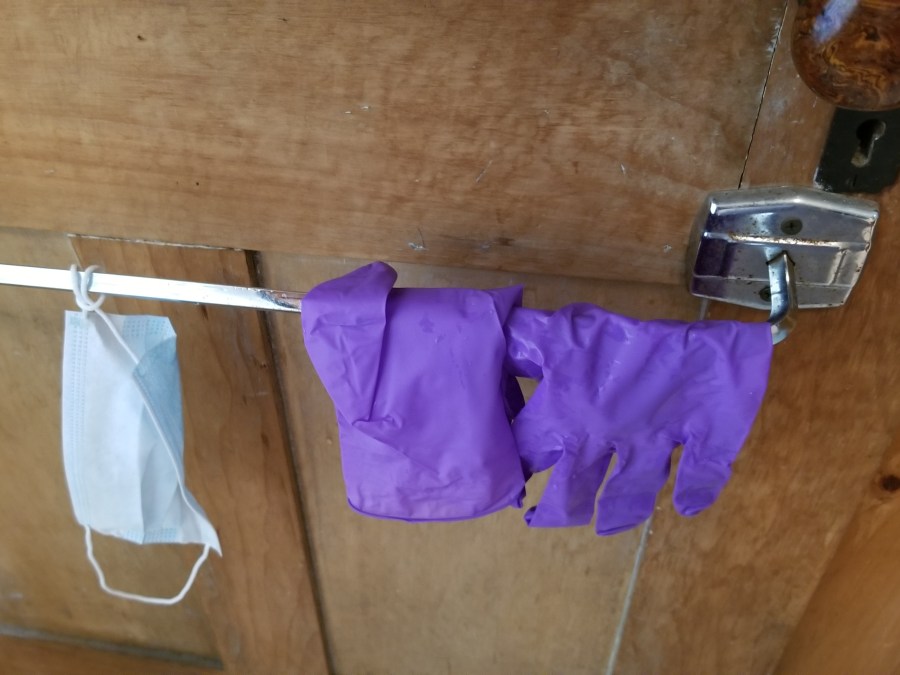
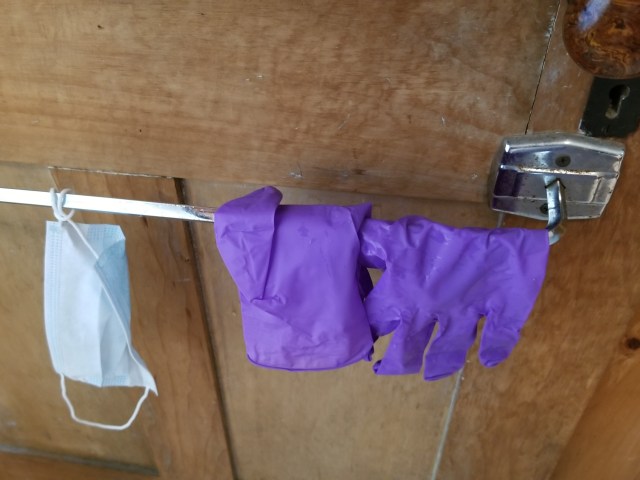
20200423_111919.jpg

Personal protective equipment (PPE) and cleaning supplies

One of the most unconscionable sins of America’s COVID-19 response has been the lack of protective gear for our caregivers, resulting in an untallied number of illnesses and deaths of healthcare professionals. These are tragedies. And many could have been avoided with proper PPE, making it all even more heartbreaking.

Healthcare workers are doing heroic work. Personally, I have no idea how they cope and continue onwards. But here’s the thing. We should not be forcing our healthcare workers to martyr themselves. American medical professionals and their families did not volunteer to be exposed to such a deadly and contagious pathogen as COVID-19 without adequate personal protection. Medical workers should be treated and protected like the professionals that they are, not be thrown out there like cannon fodder. Being caring, decent, and knowledgeable are prerequisites for any good caregiver; being a martyr is not.

I heard about people in NYC applauding medical workers at 7PM, as the shift changes. It’s an important expression of appreciation and support. We’re all grateful, humbled, and stunned at the bravery and compassion shown by front-line workers.

But I’m also ashamed. I feel like we’ve sent our medical workers into a machine gun fight armed with their little more than their bare hands. DIYing it with garbage bags. PPE is such a basic healthcare provider need– how was there not enough by March? We’d had months of warning! How is there still not enough?

I’m just so, so sorry.

The shortage of PPE spilled forward onto other professions when the CDC instructed Americans en masse in January, February, and March not to buy masks or any other PPE*. These federal directives left many critical workers completely and utterly unprotected, even as their jobs caused them to be exposed to high levels of viral load. Public transportation workers seem to have been hit especially hard. I dare you to watch this video and not cry, knowing he died of COVID-19 not long after filming it. RIP Jason Hargrove. I’m so sorry. Why didn’t we do more to protect you?

Uber and Lyft drivers also seem to have been struck particularly hard. Police officers, too.

Then there are the other essential workers, the ones who often work part-time without benefits, who are still performing low wage jobs that require them to be face-to-face with hundreds a day, or to clean up after the rest of us. The grocery store workers, check-out clerks, housekeepers, and trash collectors. Many were sickened by COVID-19 before any of our country’s execs and higher-ups showed the modicum of common sense or compassion needed to allow their employees to enact even extremely low-budget protective measures like tape on the floor (which shows a safe distance for customers to stand), hand sanitizer, or disinfectant wipes. Many are still being sickened.

For the rest of us, even as we’re being told to keep and care for our sick family members at home, it’s still nearly impossible to get the gloves or masks or disinfectants we need in order to do so. And yet, we’re being told that, in short order, we’ll somehow all get back to our regular lives, with no provisions being given regarding whether or how PPE and cleaning supplies will be available.

So, listen up, all you economists, politicians, protesters, and thought leaders, you want America to go back to work? COVID-19 is dangerous but we aren’t powerless, and the first things we need are cleaning supplies and PPE. All of us.

*CDC directive was not changed until April.

Viral load

One hypothesis about COVID-19 is that the more virus someone is exposed to, the sicker they may become. This is being referred to as ‘viral load’. For instance, one of the first high-profile casualties of COVID-19 was Dr. Li Wenliang. Despite his youth and good health, and every possible intervention being taken on his behalf, he died of the disease. People speculated that this was because, as a caregiver, he was exposed to high viral load.

COVID-19 isn’t the only infectious pathogen where exposure dose matters. Parents of young children reading this probably have first-hand knowledge of this (I do). It’s one thing to be exposed to a cold at work when a colleague sneezes on you in a crowded elevator and a couple of viral particles ride the airstream up into your nostrils. It’s quite another when your small child, who is a Petri dish full of daycare germs, is sick and upset and clingy and smears and spreads and sprays their body fluids all over you and your orifices in the middle of the night. In the first few years of your child’s life, you repeatedly get sicker than you’ve ever been and your childless colleagues start asking if you’ve maybe got an undiagnosed immune deficiency. Nah, they’re just witnessing the influence of a very high inoculation dose to a lot of diseases you’re not currently immune to.

Non-anecdotally, in many diseases, from water-borne pathogens like cholera and giardia to RNA viruses like norovirus and influenza A, the infectious dose matters, so it’s a reasonable hypothesis that viral load exposure matters in fellow RNA virus COVID-19 too.

What does seem to be quite unique about COVID-19, however, is that people can shed a lot of virus before they experience any symptoms at all. In other words, people who seem perfectly healthy can make you very very sick.

However, I don’t want this post to be all doom and gloom– instead, I’m hoping to reframe some of the actions we’re already taking to avoid the virus in terms of reducing infectious dose. Trying to avoid any possible viral exposure (at all, ever!) can seem impossible and can lead to feelings of anxiety, hopelessness, and powerlessness. When I learned to work with radioactivity in the laboratory, we were taught a principle known as ALARA: As Low As Reasonably Achievable. Can we apply this principle to COVID-19?

Here are some ideas, most of which, I hope, are common sense:

  1. Full and adequate PPE for all of our frontline workers. Enough said.
  2. Let’s all get used to wearing masks. Even homemade masks provide some level of protection, and can decrease viral exposure.
  3. Keep your distance from other people when out in public. The further you can stay from other people (even if you’re both wearing masks), the safer we’ll all be.
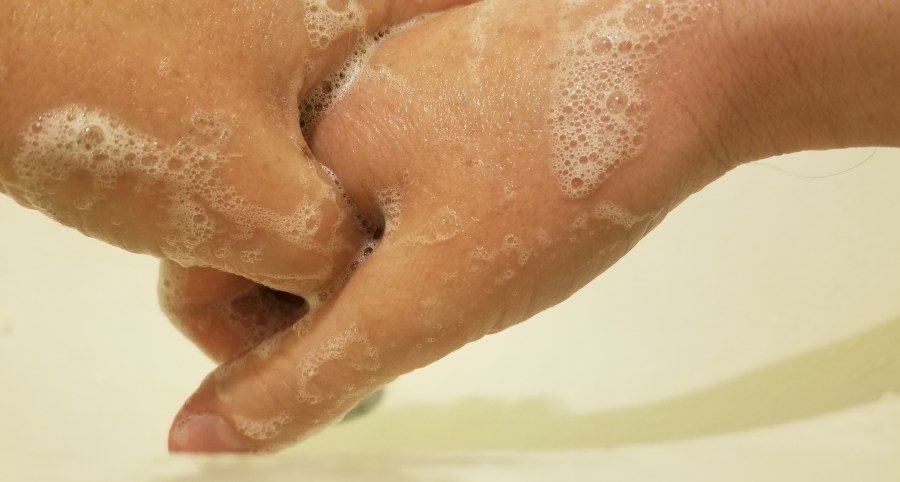
  4. Wash your hands frequently. Hand sanitizer is OK when you’re unable to get to a sink, but soap and water do a great job when you’re at home.
  5. Don’t eat with your hands. Use utensils that have been thoroughly cleaned in a dishwasher or with dish soap and hot water.
  6. Clean your home regularly.
  7. If you are caring for or living with someone who is sick (even if you don’t know if it’s COVID-19), you both should be wearing a mask as much as possible even within your home. Sanitize, clean, and isolate yourself from your patient to the extent that is emotionally and physically possible. Wear gloves if possible to clean—they don’t have to be disposable gloves, dishwashing gloves work very well and can be chemically disinfected and reused indefinitely. Again, you may not be able to totally eliminate your risk of exposure but if you can reduce the viral load you’re exposed to, this may turn out to be very important.
  8. Clean the toilets in your home, and keep the lids down to ensure your pets don’t drink from them! COVID-19 is shed in stool, and you also don’t want your pets exposed to cleaning products.
  9. If you have to change diapers, or wipe your kid’s butt (sorry, non-parents, fact of life for many of us), wear disposable gloves whenever possible. Use extra care when disposing of or cleaning soiled diapers. Of course, also wash your hands afterwards.
  10. If you are feeling even slightly ill, do not prepare food for your family. Do not allow anyone who is ill to prepare food for you.
  11. Keep wipes and hand sanitizer in your car and use frequently.
  12. Leave your shoes at the door.
  13. When cleaning, focus on the ‘high touch surfaces’ of your home and car: light switches, door knobs, faucet handles, steering wheel, car door handles, cell phone, computer keyboards, etc.
  14. Shower daily (Hey, I know you might not have to go into work but cleanliness is important. And even if this doesn’t help avoid COVID-19, your partner who is under lockdown with you will likely appreciate it).

Keep up the good fight.

Stay healthy.

20200420_175059

Can herd immunity protect us from COVID-19?

I was recently forwarded an internal email where a ‘thought leader’ at a scientific institution called the hope that we wouldn’t all become infected with COVID-19 naïve and suggested reopening the economy sooner rather than later so that we’d start to build herd immunity.

I’m also hearing the term herd immunity coming out of the mouths of politicians worldwide—usually, again, in the context of the economy.

It’s time to do the damn math. Are most of us really going to get COVID-19? Or can we deliberately expose/infect enough younger healthier workers so we can restart the economy and have herd immunity work to protect the most vulnerable against this disease?

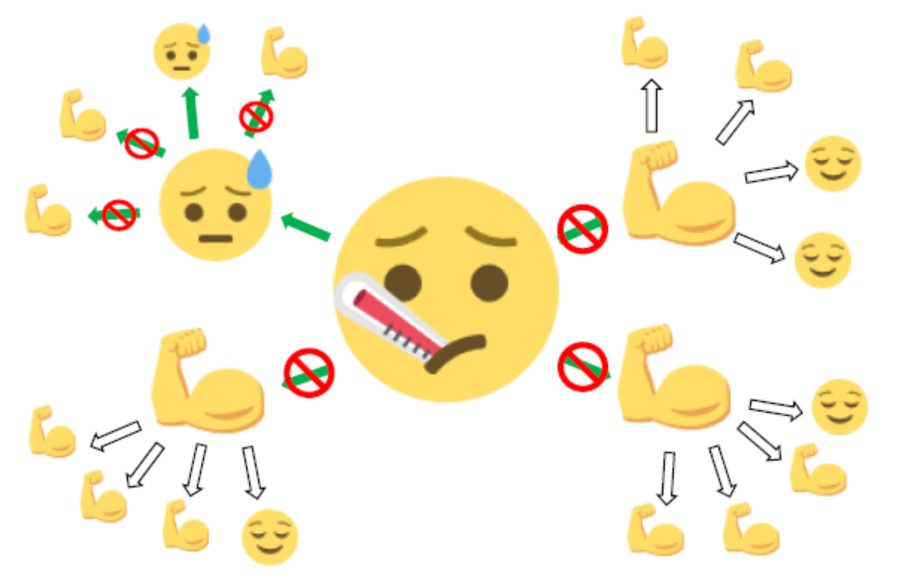
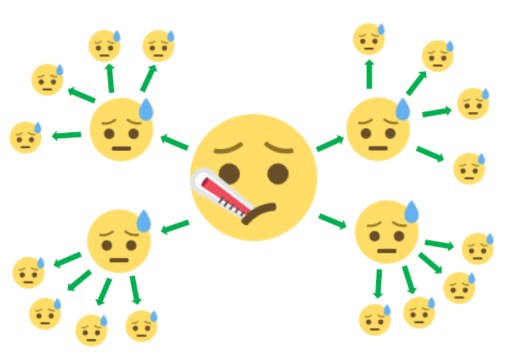
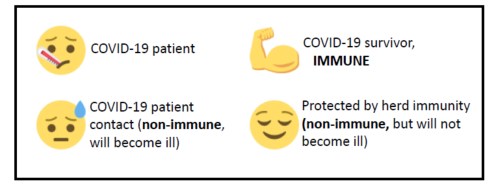
Herd immunity happens when there are enough people within a society who are immune to an infectious disease so that it can no longer spread efficiently. 100% of people don’t need to have been infected/immune for herd immunity to happen. Depending on how contagious a pathogen is, once a population hits 60-80% immunity, herd immunity will begin to protect all members of society, and will decrease disease spread. The more contagious a disease is, the more people must be immune to it for herd immunity to start to protect even those who were never infected themselves. Here’s my diagram of this:

panel 1
Viral transmission when no one is immune. Green arrows indicate infection spread.

figure legend

Panel 2
Viral spread when 75% of the population is immune. Green arrows indicate potentially infectious contacts. Viral transmission is blocked when some people are immune. Downstream viral transmission then also does not occur where it would have otherwise (clear arrows)

OK, so herd immunity sounds pretty good, right? It works pretty well for other diseases, helps limit spread of the flu, and herd immunity even protects the poor children of idiots who choose not to allow them to get safe and effective vaccines against dangerous pathogens like measles (even though unvaccinated individuals themselves are not immune). Because COVID-19 is so contagious, ~80% of the members of society will need to have survived COVID-19 before herd immunity will significantly protect us. What will it take for 80% of us to have infected/recovered from COVID-19?

Let’s do the math. We’ll use the numbers coming out of New York City for this example. As of 4/16/20, there have been over 120,000 confirmed cases* in this outbreak epicenter. Over 12,000 deaths. That’s a lot.

But in a city of 8.7 million, 120,000 is only 1.4% of the population.

Only 1.4% of the population is confirmed ill with COVID-19, and hospitals look like war zones.

1.4%, and mass burials are happening.

1.4%, and refrigerated trucks are humming on the city streets where they’ve been used for weeks as morgues.

1.4%, and medical caregivers are experiencing unprecedented levels of burnout—and sometimes becoming infected themselves and, in far too many cases, dying.

1.4%, and NYC area hospitals are completely overwhelmed with COVID, jeopardizing patients with other healthcare needs.

1.4%, and the economic heart of America has stopped beating.

This is what it looks like when less than 2% of the population of a single American city becomes infected with COVID-19.

Can you imagine what it would take for 80% of the population to become infected with COVID-19 across the USA**?

Even if the human costs are acceptable to the powers that be, how long would it take to manage the slow burn necessary to keep the infection rate to a level our healthcare and funeral systems can cope with?

I hope our ‘thought leaders’ and politicians do the damn math sooner rather than later. To me, the numbers are screaming that planning on any degree of herd immunity to COVID-19 is the ‘naive hope’.

We simply can’t succumb to COVID-19. We have to work together to continue to beat back this disease through continued social distancing, aggressive diagnosis, improved treatments, and, ultimately, hopefully, vaccinations– which represent our only true hope for herd immunity.

It’s gonna hurt, economically. But we just have no other options yet against the living nightmare that is COVID-19.

* It’s true that confirmed cases underestimate the number of actual cases, due to lack of testing and/or false negative tests. Until a reliable antibody test is developed, we won’t know, and so I’m using the best data available. However, NY leads the country in testing, and even doubling the number of confirmed cases means that only about 3% of NYC residents have been infected, resulting in the catastrophic reality described above.


**For now, I’m not factoring in reports that some people seem to get reinfected with COVID-19—for this discussion, let’s say that once you’ve had COVID-19, you can’t get it again.