I caught COVID during the first wave and I’m still not well

Everything changed in March, didn’t it?

Philadelphia, my city, shut down on Friday the 13th of March.

My husband and I hustled to finish critical experiments in lab and bring our data home. We ordered groceries online, stocked our freezer, and tried to get used to working as our son sat on our laps watching Paw Patrol.
My friends and I met for a virtual happy hour via Zoom on March 18th. One friend joked that she was “totally going to be a first-waver.” I boasted there was no way I was going down in the first wave—because of the virus, we’d been avoiding social events for weeks, had obsessed about hand washing, and were ready to hunker down at home for at least a month. We had followed every recommendation (including, unfortunately, the recommendation of CDC and WHO officials to NOT wear masks).

Fate punished me for my arrogance within hours. My COVID symptoms started that same night. COVID made me so weak I literally couldn’t stand. I’d get out of bed to do something and find myself asleep on the floor hours later, not really sure how I got there. I was too weak to do something as normally effortless as brushing my teeth. I had to crawl to get to the bathroom—my legs would give out when I tried to walk. I had some GI symptoms and no appetite and, although I wasn’t coughing, I found it difficult to breathe– it was as though I had a 40-pound weight on my chest. I had a 101o fever that just didn’t break. I was haunted by intense fever dreams that bordered on hallucinations (there was one I remember where NY Governor Cuomo was in my bedroom, force-feeding me chamomile tea).

I called my doctor but I wasn’t able to get a COVID test because, in Pennsylvania, they were exclusively available to healthcare providers and people over 50 with preexisting conditions. My doctor told me, however, that I was ‘presumed positive’ for COVID, I should absolutely not come to their office, and should not go to the ER unless I couldn’t breathe. He promised that the lack of a confirmed positive test would have no impact on my care. My instructions were to self-isolate, take Tylenol, and drink plenty of fluids.

Basically, I was on my own.

I was too weak to get changed so I wore the same pajamas I fell asleep in on the 18th for an entire week, until they reeked from fever sweats. I felt disgusting and finally asked my husband to help me get cleaned up and changed. Because I was unable to stand to shower, my husband helped me into the bath. The effort of getting downstairs and undressed made me so tired that I kept nodding off as I was trying to wash myself. When I fell asleep and didn’t wake up until my face slipped underwater, I realized that a bath was too dangerous, and called my husband to help me get back into bed.

Those last two weeks of March still feel like a nightmare.

Thankfully, towards the beginning of April, I started to feel a bit better. I became able to dress myself, brush my teeth, take a shower! I thought I was out of the woods at that point, and would be back to my old self soon. My appetite started to return but I realized I couldn’t taste anything. A cookie tasted like a handful of sand; pizza was just like biting into soggy cardboard. I accidentally put salt in my tea instead of sugar one morning and drank it anyway because I couldn’t taste the difference. Because I had no taste, I became very sensitive to the textures of food. I ate a lot of citrus because the texture of the juicy pulp popping in my mouth was nice—but I couldn’t taste the difference between grapefruits and oranges.

I had other odd symptoms, too. The weakness in my legs persisted. Although I could manage most household chores, and could work on my laptop and look after my son, something as simple as a walk to the mailbox would utterly wear me out. I would randomly feel a strange tingling sensation, like icy raindrops on my skin, on my arms and legs. The second I ‘overexerted’ myself, doing something I took for granted before March 18th, like gardening or washing the car, I’d start to run a fever again and get a sore throat. I had terrible dry mouth.

At that time, COVID was characterized as an upper respiratory illness that lasted for a maximum of two weeks. My doctor did not seem concerned about my continuing symptoms and did not attribute them to an unconfirmed COVID infection. I was able to work from my bed on my laptop, so I just tried to focus on that and power through what I was feeling.

But by Mother’s Day, in mid-May, I still couldn’t taste anything. My guys made me delicious looking brownies that just tasted like clay to me. I sadly put them in the freezer, hoping I’d be able to enjoy them at some point soon. Because of the intensity of the virus and my inability to taste anything, I’d lost about 30 pounds since I first became ill. At 5’8”, I went from a healthy size 4 before getting sick to a size 0. My ribs and vertebrae poked out from under my skin. Around this time, my GI symptoms suddenly worsened. I had strange rashes. I finally sought medical care again when I developed visible hematuria (the medical term for blood in your pee).

In late May, still not able to taste anything and still not feeling great, I was finally given a COVID PCR test. Unsurprisingly, at that point, it came back negative (tests are accurate in the first days of the illness, not two months after symptoms start). My doctors were baffled by my symptoms but not as dismissive as they had been earlier—it’s harder to dismiss quantifiable things like blood in urine, episodes of fever, rashes, and swollen glands than it is to dismiss things that can’t be measured, like loss of taste, fatigue, weakness, and GI issues. Although my ongoing symptoms were still not attributed to COVID, tests were run to detect UTI, kidney stones, Lyme Disease and borrelia, lupus, Epstein-Barr, and blood cancers. Thankfully, these tests were normal, and my doctors and I have since learned that the symptoms I was experiencing are extremely typical of long COVID. The only thing that turned up from my bloodwork at that time, however, was an electrolyte imbalance. I was advised to drink more Gatorade and was sent for a CT scan.

The CT showed the effects of my rapid weight loss—I’d lost most of my body fat, including the fat pads between my organs that normally kind of keep everything in place. This led me to develop something called superior mesenteric artery syndrome (SMAS for short). My duodenum was being compressed between my aorta and a large artery, causing a blockage where food was trying to leave my stomach. This explained why I was nauseated and vomiting. I was advised to start a high-calorie, high-protein liquid diet and to do everything possible to gain weight, and if that didn’t work, a feeding tube would be surgically implanted.

A lot of milkshakes were in my future.

I followed this advice and continued to rest as I delved into my work—it was something that could be done while being relatively sedentary, and it felt so good to do something productive despite how sick I still was. Unfortunately, however, I was given notice and laid off in June. It was utterly devastating— losing my job meant not only the loss of my income but also my professional identity as a scientist. What followed was a period of pretty deep depression, which was the reason for my hiatus from this blog.

My health improved slowly over the summer but strange things have continued to happen to my body. The last time I ran a fever over 100.4 degrees (what I was told ‘counted’ as a clinical fever) was in late June. My sense of taste gradually returned and by the 4th of July, I was thrilled to be able to taste the food at a small outdoor BBQ with my extended family. I still have occasional hematuria and proteinuria, which is scary, especially because I still don’t know why this is happening. My hair fell out in huge clumps all summer long but is growing back now. I developed vitiligo on both cheeks. I have some new dental issues and terrible dry mouth and am currently being evaluated for Sjogren’s Syndrome, an autoimmune condition. I’ve gained about 20 pounds since May but I still need to maintain a mostly liquid/soft foods diet and may eventually need surgery to correct SMAS. I can no longer tolerate alcohol, which sucks because I could really use a glass of red wine (OK, let’s be honest, a bottle—it’s been a hell of a year). One of my other most troubling problems is that I still can’t exercise. If I try to do so, even at a fraction of my pre-COVID activity level, debilitating leg weakness and fatigue hits me the next day or two. Before March 18th of this year, I routinely exercised for about an hour a day. Today, even a 20-minute gentle yoga class can leave me on the couch the following day.

This specific issue—exercise intolerance—is shared by thousands of COVID survivors throughout the world, mostly women about my age who were in good health before becoming ill in the spring or summer. It’s a clue that COVID may be triggering myalgic encephalomyelitis (ME), a poorly understood yet debilitating long-term post-viral disorder. Many, many, many previously healthy women who contracted COVID in March and April are still sicker than I am. So, despite my lingering battle wounds from my fight with COVID, I consider myself fortunate in that I am able to carry on with a somewhat normal life, unlike others who are still laid flat by their encounter with COVID 8 months ago.

Many ‘long COVID’ patients have been dismissed by their healthcare providers, especially because previously healthy first-wavers like myself were not given a timely COVID test in the spring. Without that positive test, our symptoms have too often been attributed to other causes, like anxiety. We’re paying the price for the failure to make COVID testing available more quickly.

Media coverage has really helped the voices of COVID long-haulers be heard, and the medical community is starting to listen, though many skeptics are still dismissive. I get it, I really do. My years of scientific training make me bristle at the thought of ‘presuming’ anything, especially at being given a ‘presumed positive’ diagnosis of a serious illness. It’s the main reason I didn’t want to write back in April or May about my ‘presumed’ experience with COVID—I like the certainty of viral RNA bands on a PCR test, not an over-the-phone probable diagnosis based on self-reported symptoms. I also don’t love publicly discussing being sick and I don’t want the stigma of having had COVID.

But I’m writing now because, regardless of my personal hang-ups, I think it’s important to add my experience to accruing accounts of COVID’s long-term effects. As we go into the winter holiday season, and people may consider taking risks that increase their chances of viral exposure, I want everyone to know that COVID outcomes aren’t simply binary, where you recover fully in a matter of weeks or you die. There’s a vast grey space between those two extremes, and that’s where I’m living today.

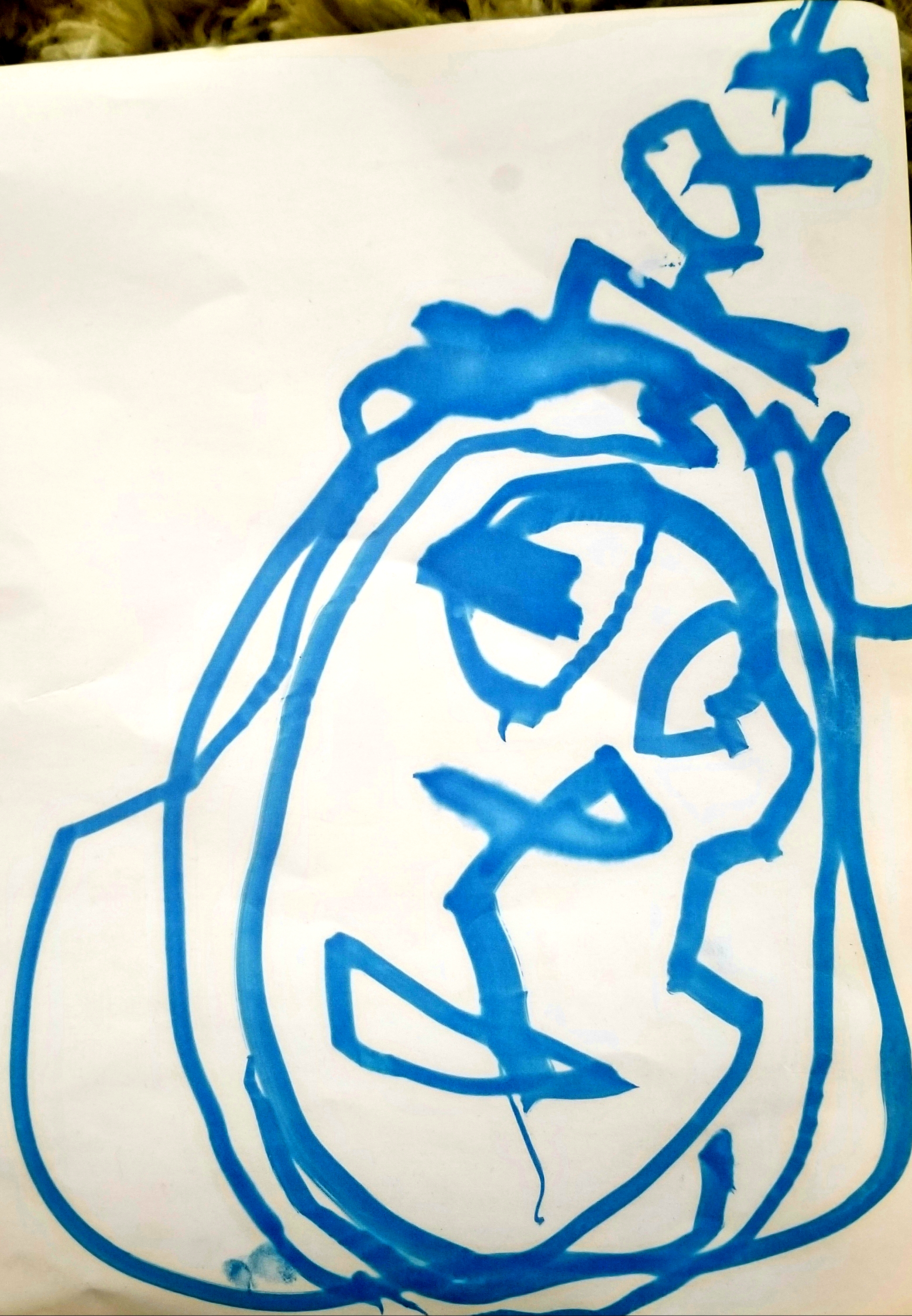

Teaching kids about coronavirus

Although my son has loved all the time he’s been spending with my husband and I since March 13th, when our city closed schools and daycares, I know he’s also confused about what’s going on.

The hardest thing for him, I think, was that we had to celebrate his 4th birthday party in quarantine. I warned him that his friends weren’t going to be able to come because of the virus and he seemed to understand and seemed a bit disappointed but overall I thought he was OK with it. We baked a cake, a rainbow funfetti cake, at his request. I wrapped up all his presents and then some– I wanted him to have an enormous pile of presents so I even wrapped up things like boxes of Teddy Grahams! We put hats on his stuffed animals and sat them around the table, blew up balloons.

But after the presents, he didn’t seem to want to start on the cake. I asked him, “Honey, don’t you want to eat your special rainbow cake and blow out your candles and make a wish?”

He looked at me and started crying, “I guess my friends really aren’t coming? Not even for cake?!?”

I hugged him and said, “No, sweetie, they can’t because of the virus but when the virus is over, we’ll have a giant party for everyone!”

“I just thought they would come for my birthday,” his chin wobbled.

“Well… maybe that means that you get two slices of cake?” I answered.

I’ve done my best to keep his spirits up, but there are moments, and it’s hard to explain what’s going on to little kids.

I’ve found a couple of resources, though, that help, starring some of my son’s favorite characters.

Elmo from Sesame Street practiced social distancing. And both Elmo and Big Bird also made talk show appearances! Sesame Street has a number of other suggestions and ideas of how we can care for each other during this difficult time. Honestly, even as an adult, I find Sesame Street a happy oasis right now and I think it’s great how the show is helping families with young children cope.

Another one of my son’s favorite characters, Daniel Tiger, has helpful songs about resting when sick, and shows how to wash hands.

For older kids, Axel Scheffler, author of the beloved Gruffalo, published a free e-book for kids on COVID -19.

Another show my son loves is Cocomong. It’s a show out of South Korea, available on Netflix, and a bit strange, but overall I think the messaging seems to be really helping my son. The show teaches kids to eat well, get enough rest, brush their teeth, wash hands, and exercise– basically, some light-hearted social engineering that’s been helping my son to eat his vegetables and learn what probiotics are. The hero, Cocomong, fights the Virus King in almost every episode. The Virus King and his sidekicks do things like lure the characters into eating candy instead of vegetables, pollute the air or water, and just generally trick everyone into bad habits which they only realize once they all start to become sick or unhealthy.

We’ve therefore personified COVID-19 as the Virus King in our house– pretty appropriate for a deadly coronavirus*, right?

By far the hardest thing has been trying to help my son understand that you can’t see the virus, that it’s so small it’s invisible– yet something tiny can hurt us badly, and that’s why our lives have all changed so much.

Have you found any other resources that have helped the kids or families in your lives?


*’Corona’ means crown. 

Science vs. politics

To summarize my last 4 posts, to reopen the US economy as safely as possible, we need:

  1. Enough personal protective equipment (PPE) and cleaning supplies
  2. Free, accurate, and easily accessible COVID-19 testing and tracing infrastructure
  3. Continued research into effective treatments for COVID-19, and access to these treatments
  4. Ongoing antibody tests to determine who has already had COVID-19, and to figure out whether a prior infection confers immunity

Even with these measures, outbreaks will happen. But these measures will tremendously mitigate the human and monetary costs of the disease. Although I can’t see us getting back to a pre-2020 ‘normal’ before we have a vaccine against COVID-19, these measures provide a degree of necessary protection.

To me, the crazy thing is that we don’t need to wait for any scientific advancements before we take the first steps to reopen our economy. We have the tools necessary to do so but the implementation of these tools requires our elected leaders to stop fighting and blaming each other (or other countries), and to unite in the worldwide fight against COVID-19. The GOP doesn’t seem to know how to to do this.

I’m upset because I know America could do so much better than this, could be so much better than this in the face of this challenge. We have the technology, we have the talent, we have the resources. But we don’t have the leadership.

In America conservative media and protesters wearing MAGA hats are pitting public health measures and the economy against each other as though they are diametric opposites. This couldn’t be further from the truth.

How can people feel safe going to work without PPE? How can they enjoy a meal out if they’re worried they’ll bring back a deadly disease to a loved one? How can parents send their kids to daycares and schools when they have no idea if any of their classmates have been exposed to COVID? People are scared, and logically so– the consequences of these once-normal actions could now be life-threatening. The economy needs effective public health measures right now, which are far more imperative in a country without paid sick leave or universal healthcare.

Because there has been no cohesive federal pandemic strategy, governors of individual states have had to largely take the initiative and responsibility of coming up with their own COVID-19 responses. Some states are already reopening without the conditions in place to make it as safe as possible to do so. The economic short-sightedness of this is astounding. The human cost is unforgivable.

20200430_165111

So, you want lockdown to be over, America? These are the four things we need (#4/4)

We need antibody testing that can tell us who has been infected with COVID-19.

Due to America’s COVID-19 testing failure, no one knows how many of us have been infected with coronavirus. In my post on herd immunity, I described one reason why this is important. In that post, I wrote that the devastation that COVID-19 has wrecked upon NYC. At that time, only 1.4% of the population of NYC was confirmed infected.

Antibody tests now reveal that about 20% of NYC residents may have been infected with COVID-19*. That’s pretty astounding and shows just how inadequate our testing has been.

There are caveats to the sampling methods used in these studies that may have led to an overestimation of infection, which Governor Cuomo, to his credit, spoke about. There are also questions about the accuracy of the tests (this article has some great graphics and info). Cities around the world are rolling out antibody tests, though not quickly enough to meet demand.

Let’s say you manage to get one of these antibody tests, and it turns out you have antibodies against COVID-19. Does this mean that you’re immune to future infections? Unfortunately, we don’t know yet, and this is why the WHO recommends against using immunity passports.

Why, then, do I think antibody testing** is so important, even though I agree that issuing immunity passports is a premature idea?

Because we need to know our enemy. 

We don’t know the fatality rate of COVID-19, we don’t know how many asymptomatic cases there are, and, most importantly, we don’t understand whether we can become immune to it after infection, or how long that immunity lasts. Antibody tests can give us the answers to these questions, which are critical to regaining a functional society.

*This is still nowhere near enough to confer herd immunity to COVID-19. NYC would have to go through the hell of the last two months 3 to 4 fold over again, at least, before the city’s population would reach that point. 

So, you want lockdown to be over, America? These are the four things we need (#3/4)

We need to know if there any effective treatments for COVID-19

Because we lack testing and our healthcare system is overwhelmed, Americans with suspected COVID-19 are being told to self-treat at home rather than seek care. They are being instructed to take Tylenol for fever, drink plenty of Gatorade to stay hydrated and otherwise not leave their homes. No care packages are provided. Nothing other than palliative medications are typically being prescribed.

Although home is certainly more comfortable than a hospital, one downside of instructing sick Americans to self-care means that the American medical establishment can’t test anti-viral medications, supplements, or other medications on anyone in the beginning stages of the disease, and also can’t figure out how to improve treatment for cases who are not admitted to the hospital, many of whom still become very ill at home.

It means we can’t ask questions like, what causes mild disease to progress into a severe manifestation of COVID-19? What treatments work against COVID-19? When is the best time to administer these treatments, and in what combination?

The last question might be especially critical. Certain antivirals, like Tamiflu—a prescription medication for influenza, are only effective if given in the beginning window of virus infection. What if some antivirals are only effective against COVID-19 in that first asymptomatic yet contagious window? What if a different antiviral is only effective during a different part of the viral replication cycle? These could potentially be given as a cocktail to target the virus. Because they would be given in combination, there would also be an increased chance of evading viral resistance, which might develop to a single antiviral drug alone.

There are a number of antivirals that have shown some promise against COVID-19, including remdesivir and kaletra. When would be the optimal time for these to be given? And to whom should they be administered? Maybe a certain drug wouldn’t make enough of a difference for younger healthier patients, but could keep some high-risk groups out of hospital. Alternatively, maybe the side effect profile of many of these drugs would be too harsh for elderly patients with other underlying conditions but fine for those who are younger and healthier. These studies must be well-designed and systemic to tease apart the answers, and they should also be double-blinded. Our healthcare providers and clinical researchers must be provided all the support necessary to conduct these trials.

So far, the studies that have generated excitement have been too small to form a real basis for clinical care. Take the confusion around chloroquine, for example. Chloroquine is an anti-malarial that’s also been used to treat conditions like lupus and arthritis. However, President Trump touted it as a potential remedy for COVID-19 based on promising results from a very small study, and it immediately gained repute, even leading to hoarding by some with prescription pads. Could be that karma struck against those hoarders, because subsequent studies haven’t shown effectiveness for chloroquine against COVID-19, and some have even shown outcomes to be worse in the chloroquine than control groups. (Chloroquine’s side effect profile doesn’t look fun, either). But the hype still left desperate patients demanding chloroquine.

Another problem is that, right now, because there is not an FDA approved treatment for COVID-19, it is often the sickest patients who are granted ‘compassionate use exemptions’ and allowed to be treated with non-approved agents. This has emotional logic: we want to save the sickest among us, and when they appear to be failing, we want to do everything we can. There is also little risk of an experimental drug making things worse for someone who already seems to be dying. The problem with this approach is that, if you’re testing a drug on people who are already doing poorly, they may have worse outcomes regardless against the less sickly control group. This bias might lead us to throw out potentially useful drugs. Ideally, both groups of the study should be well-balanced in terms of factors like pre-existing conditions, disease progression, gender, and age. Given that no drug against COVID-19 seems to be emerging yet as a silver bullet, it seems time to move on from compassionate use to more clinically rigorous double-blinded trials including those testing potential combinations of therapies.

Right now, basically all we can definitively state regarding the treatment of COVID-19 is that President Trump’s suggestion to inhale or ingest Lysol or bleach is a bad idea. Sunlight is lovely but isn’t going to bring COVID patients back from the brink. Good lord. If we could cure disease by swallowing detergents and basking in sunlight, don’t you think we would have done so, maybe back around the year 1200 BC?  What exactly does Trump think biomedical researchers do all day?

Unfortunately, business and finance guys like Trump are running the country right now. They don’t seem to have a cohesive plan to fight COVID-19, and we need them to step things up, real quick. America needs its national agencies to get the funding and clinical trial infrastructure in place to figure out what (if any) existing treatments work, and how, when, and to whom they should be administered. I think it’s unlikely we’ll find a cure among existing treatments, but if they could decrease hospitalization rates, increase survival, or decrease viral shedding, it could be a huge component of our arsenal in the fight against COVID-19, buying us more time and saving more lives as we continue to work on a vaccine.

We need these answers sooner rather than later.

So, you want lockdown to be over, America? These are the four things we need (#2/4)

America needs a free and accurate COVID-19 testing infrastructure.

Apart from lack of PPE, another staggering feature of America’s cataclysmic COVID-19 response was our unique failure among wealthy first-world nations to identify and diagnose coronavirus cases. Unless you’re the only person in the world still gullible enough to believe this (oops, hi Trump 2020 voter, didn’t see you there…), you probably understand that it’s difficult to get tested for COVID-19 in the USA. We have the biotechnology and the talent to compete with any country in the world, yet our government stuck its head in the sand and utterly failed to provide the cohesive framework necessary to put our tech or talent to use.

Even today, test availability depends upon what state you’re in, what your profession is (understandably, healthcare workers and first responders are prioritized), how old you are, and what preexisting conditions you may have. Until March, the CDC only allowed testing of patients with a reported foreign travel history, even as COVID-19 spread like wildfire, seeding itself throughout America. I hope to God that the people responsible for America’s initial testing catastrophe will be held to task, but for now, let’s learn from this lethal mistake of under-diagnosis and not continue to replicate it.

The result of under-testing for COVID-19 in America was that we didn’t know where community spread was occurring in the USA until hospitals and nursing homes became overwhelmed with sick and dying patients. We still don’t know where new hotspots of community spread are emerging, and even within existing hotspots and surrounding areas many patients are being missed because of restrictions on testing.

Backlogs still plague the testing system. The tests being ordered by doctors and hospitals right now may or may not be accurate. As if to make up for their contemptible failure in January and February to approve even well-validated COVID-19 tests conducted by practiced research labs, the FDA now seems to be rushing to approve commercial COVID-19 tests that might not be accurate.

Because of the shortage of testing, we also can’t answer some very basic questions. For example, we don’t know when in the course of the disease patients should be tested for the most accurate results, we don’t have the testing capacity to retest patients with suspected false-negative results, and we don’t even know what the prevalence of false negatives is. Apart from possibly being denied care, another danger of false negatives is that people will assume they are negative even when they aren’t and continue to spread the virus. Some of these people could reenter their workplaces or be forced to return to work by their employers because they don’t have documentation of a COVID-19 positive test.

Imagine trying to fight fires without the ability to even detect smoke until entire towns are engulfed in flames. That’s what people who are demanding to reopen the economy without a COVID-19 testing infrastructure will force to happen. We need to test, isolate, treat, and repeat for all contacts of known cases. If we can’t do this, the disease, like wildfire, will continue to spread throughout our country, detected only when it burns down entire communities.

IMG_3076

So, you want lockdown to be over, America? These are the four things we need (#1/4)

20200423_111919.jpg

Personal protective equipment (PPE) and cleaning supplies

One of the most unconscionable sins of America’s COVID-19 response has been the lack of protective gear for our caregivers, resulting in an untallied number of illnesses and deaths of healthcare professionals. These are tragedies. And many could have been avoided with proper PPE, making it all even more heartbreaking.

Healthcare workers are doing heroic work. Personally, I have no idea how they cope and continue onwards. But here’s the thing. We should not be forcing our healthcare workers to martyr themselves. American medical professionals and their families did not volunteer to be exposed to such a deadly and contagious pathogen as COVID-19 without adequate personal protection. Medical workers should be treated and protected like the professionals that they are, not be thrown out there like cannon fodder. Being caring, decent, and knowledgeable are prerequisites for any good caregiver; being a martyr is not.

I heard about people in NYC applauding medical workers at 7PM, as the shift changes. It’s an important expression of appreciation and support. We’re all grateful, humbled, and stunned at the bravery and compassion shown by front-line workers.

But I’m also ashamed. I feel like we’ve sent our medical workers into a machine gun fight armed with their little more than their bare hands. DIYing it with garbage bags. PPE is such a basic healthcare provider need– how was there not enough by March? We’d had months of warning! How is there still not enough?

I’m just so, so sorry.

The shortage of PPE spilled forward onto other professions when the CDC instructed Americans en masse in January, February, and March not to buy masks or any other PPE*. These federal directives left many critical workers completely and utterly unprotected, even as their jobs caused them to be exposed to high levels of viral load. Public transportation workers seem to have been hit especially hard. I dare you to watch this video and not cry, knowing he died of COVID-19 not long after filming it. RIP Jason Hargrove. I’m so sorry. Why didn’t we do more to protect you?

Uber and Lyft drivers also seem to have been struck particularly hard. Police officers, too.

Then there are the other essential workers, the ones who often work part-time without benefits, who are still performing low wage jobs that require them to be face-to-face with hundreds a day, or to clean up after the rest of us. The grocery store workers, check-out clerks, housekeepers, and trash collectors. Many were sickened by COVID-19 before any of our country’s execs and higher-ups showed the modicum of common sense or compassion needed to allow their employees to enact even extremely low-budget protective measures like tape on the floor (which shows a safe distance for customers to stand), hand sanitizer, or disinfectant wipes. Many are still being sickened.

For the rest of us, even as we’re being told to keep and care for our sick family members at home, it’s still nearly impossible to get the gloves or masks or disinfectants we need in order to do so. And yet, we’re being told that, in short order, we’ll somehow all get back to our regular lives, with no provisions being given regarding whether or how PPE and cleaning supplies will be available.

So, listen up, all you economists, politicians, protesters, and thought leaders, you want America to go back to work? COVID-19 is dangerous but we aren’t powerless, and the first things we need are cleaning supplies and PPE. All of us.

*CDC directive was not changed until April.

Viral load

One hypothesis about COVID-19 is that the more virus someone is exposed to, the sicker they may become. This is being referred to as ‘viral load’. For instance, one of the first high-profile casualties of COVID-19 was Dr. Li Wenliang. Despite his youth and good health, and every possible intervention being taken on his behalf, he died of the disease. People speculated that this was because, as a caregiver, he was exposed to high viral load.

COVID-19 isn’t the only infectious pathogen where exposure dose matters. Parents of young children reading this probably have first-hand knowledge of this (I do). It’s one thing to be exposed to a cold at work when a colleague sneezes on you in a crowded elevator and a couple of viral particles ride the airstream up into your nostrils. It’s quite another when your small child, who is a Petri dish full of daycare germs, is sick and upset and clingy and smears and spreads and sprays their body fluids all over you and your orifices in the middle of the night. In the first few years of your child’s life, you repeatedly get sicker than you’ve ever been and your childless colleagues start asking if you’ve maybe got an undiagnosed immune deficiency. Nah, they’re just witnessing the influence of a very high inoculation dose to a lot of diseases you’re not currently immune to.

Non-anecdotally, in many diseases, from water-borne pathogens like cholera and giardia to RNA viruses like norovirus and influenza A, the infectious dose matters, so it’s a reasonable hypothesis that viral load exposure matters in fellow RNA virus COVID-19 too.

What does seem to be quite unique about COVID-19, however, is that people can shed a lot of virus before they experience any symptoms at all. In other words, people who seem perfectly healthy can make you very very sick.

However, I don’t want this post to be all doom and gloom– instead, I’m hoping to reframe some of the actions we’re already taking to avoid the virus in terms of reducing infectious dose. Trying to avoid any possible viral exposure (at all, ever!) can seem impossible and can lead to feelings of anxiety, hopelessness, and powerlessness. When I learned to work with radioactivity in the laboratory, we were taught a principle known as ALARA: As Low As Reasonably Achievable. Can we apply this principle to COVID-19?

Here are some ideas, most of which, I hope, are common sense:

  1. Full and adequate PPE for all of our frontline workers. Enough said.
  2. Let’s all get used to wearing masks. Even homemade masks provide some level of protection, and can decrease viral exposure.
  3. Keep your distance from other people when out in public. The further you can stay from other people (even if you’re both wearing masks), the safer we’ll all be.
  4. Wash your hands frequently. Hand sanitizer is OK when you’re unable to get to a sink, but soap and water do a great job when you’re at home.
  5. Don’t eat with your hands. Use utensils that have been thoroughly cleaned in a dishwasher or with dish soap and hot water.
  6. Clean your home regularly.
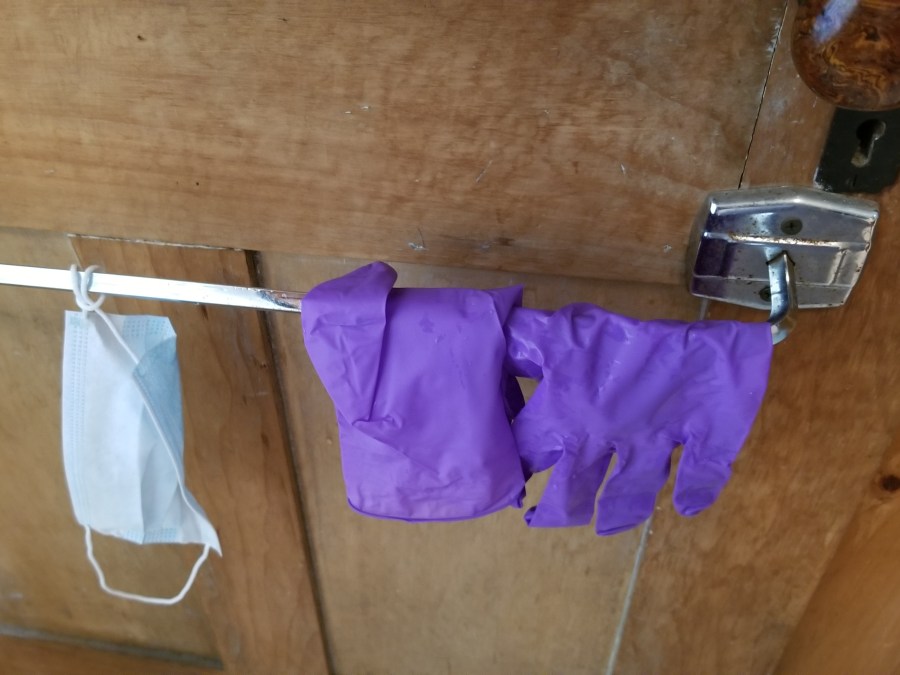
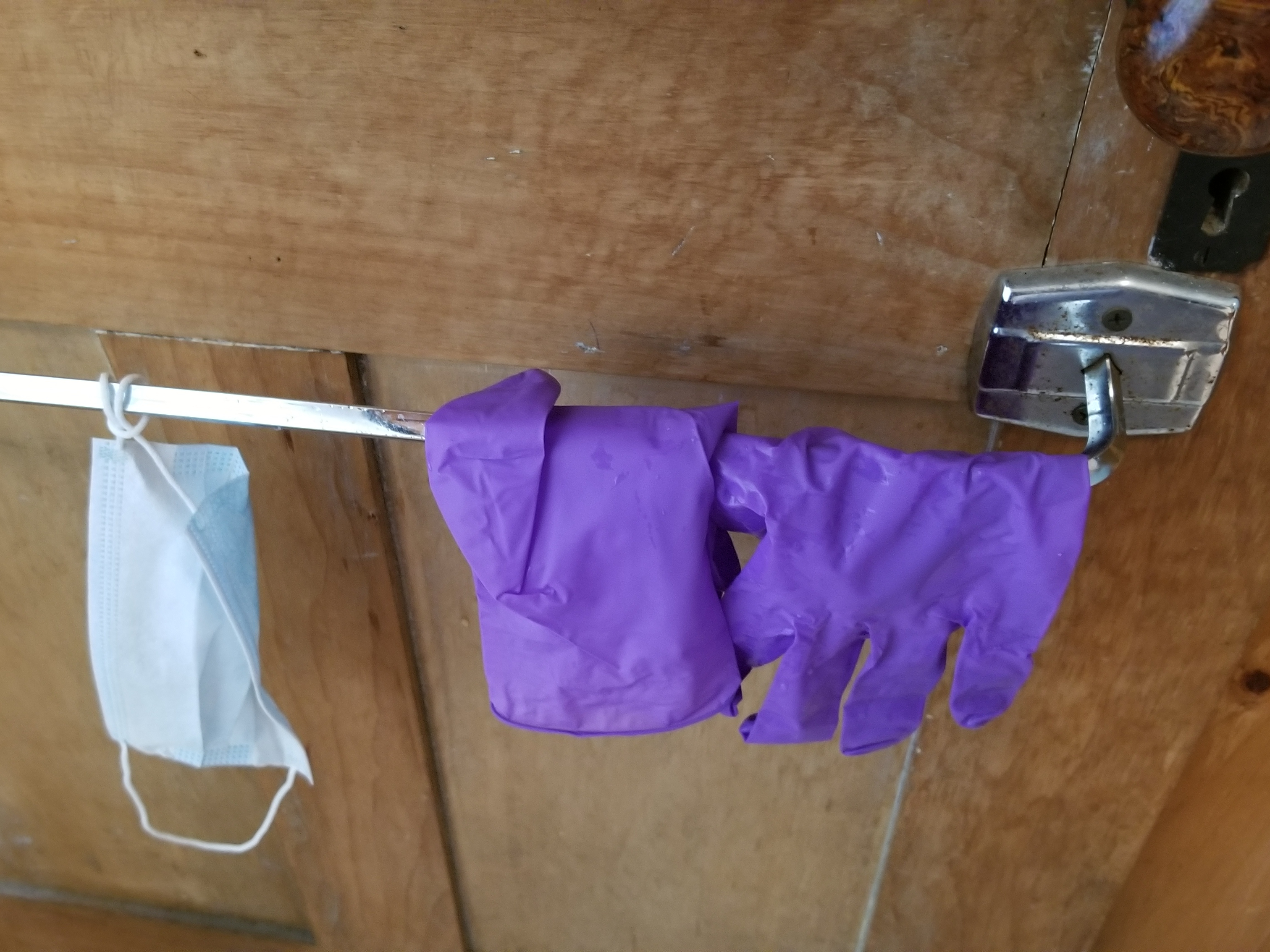
  7. If you are caring for or living with someone who is sick (even if you don’t know if it’s COVID-19), you both should be wearing a mask as much as possible even within your home. Sanitize, clean, and isolate yourself from your patient to the extent that is emotionally and physically possible. Wear gloves if possible to clean—they don’t have to be disposable gloves, dishwashing gloves work very well and can be chemically disinfected and reused indefinitely. Again, you may not be able to totally eliminate your risk of exposure but if you can reduce the viral load you’re exposed to, this may turn out to be very important.
  8. Clean the toilets in your home, and keep the lids down to ensure your pets don’t drink from them! COVID-19 is shed in stool, and you also don’t want your pets exposed to cleaning products.
  9. If you have to change diapers, or wipe your kid’s butt (sorry, non-parents, fact of life for many of us), wear disposable gloves whenever possible. Use extra care when disposing of or cleaning soiled diapers. Of course, also wash your hands afterwards.
  10. If you are feeling even slightly ill, do not prepare food for your family. Do not allow anyone who is ill to prepare food for you.
  11. Keep wipes and hand sanitizer in your car and use frequently.
  12. Leave your shoes at the door.
  13. When cleaning, focus on the ‘high touch surfaces’ of your home and car: light switches, door knobs, faucet handles, steering wheel, car door handles, cell phone, computer keyboards, etc.
  14. Shower daily (Hey, I know you might not have to go into work but cleanliness is important. And even if this doesn’t help avoid COVID-19, your partner who is under lockdown with you will likely appreciate it).

Keep up the good fight.

Stay healthy.

20200420_175059